
When Your Weird Hobby Takes Over the World (Part 3)
This is the third in a series of posts about my history with computers. I want to describe how it feels for your weird little obsession (computers) to end up taking over the world. Click here to read part 1.
The last few posts might make it seem like I was stuck in my own little universe, oblivious to the rest of the world. The truth is quite the opposite. My TV consumption in the 80s and early 90s is best described with adjectives like prodigious, obsessive, and unhealthy. On weekdays after school, it started with the GI Joe/Transformers hour from 4pm to 5pm.
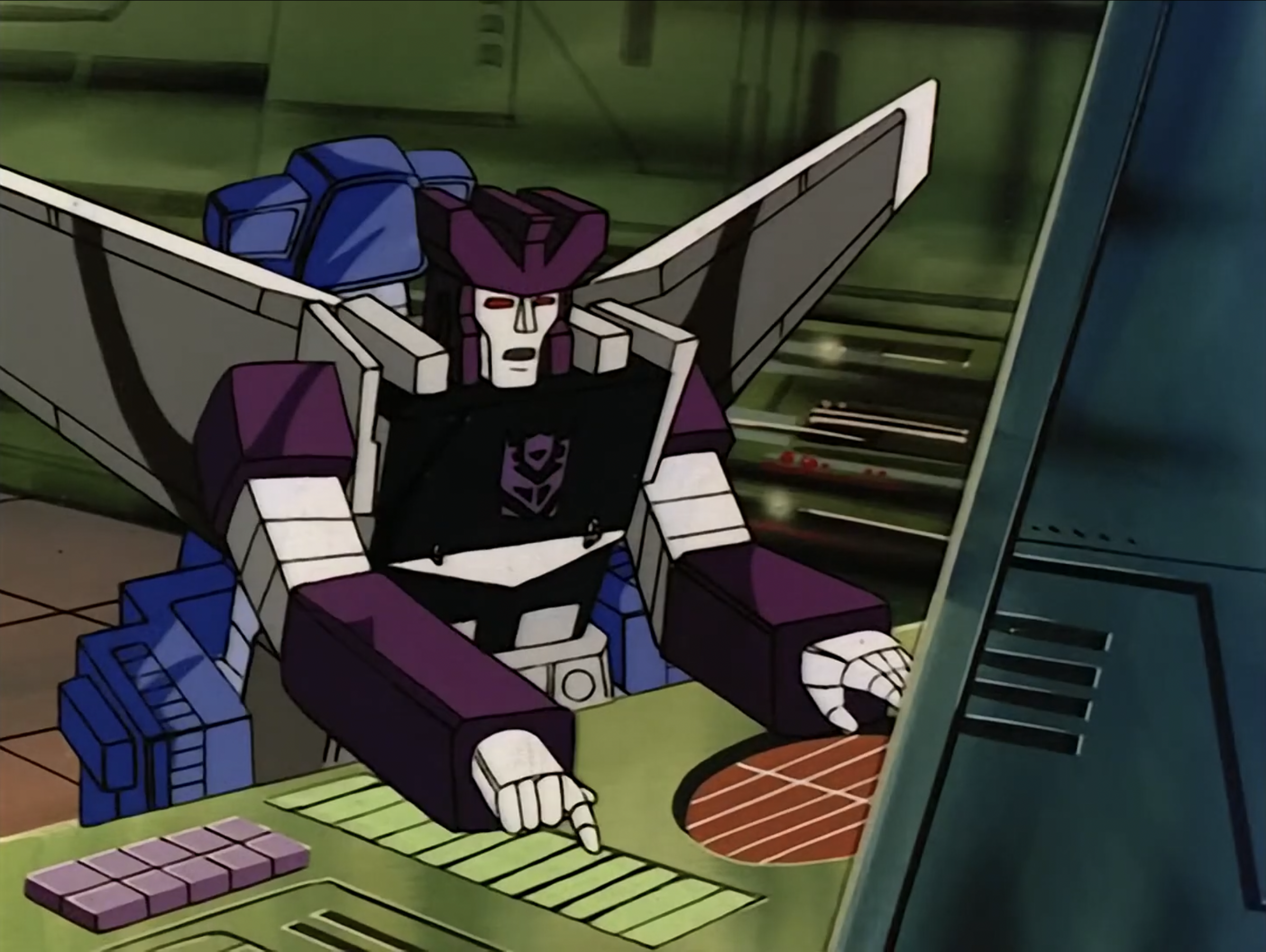
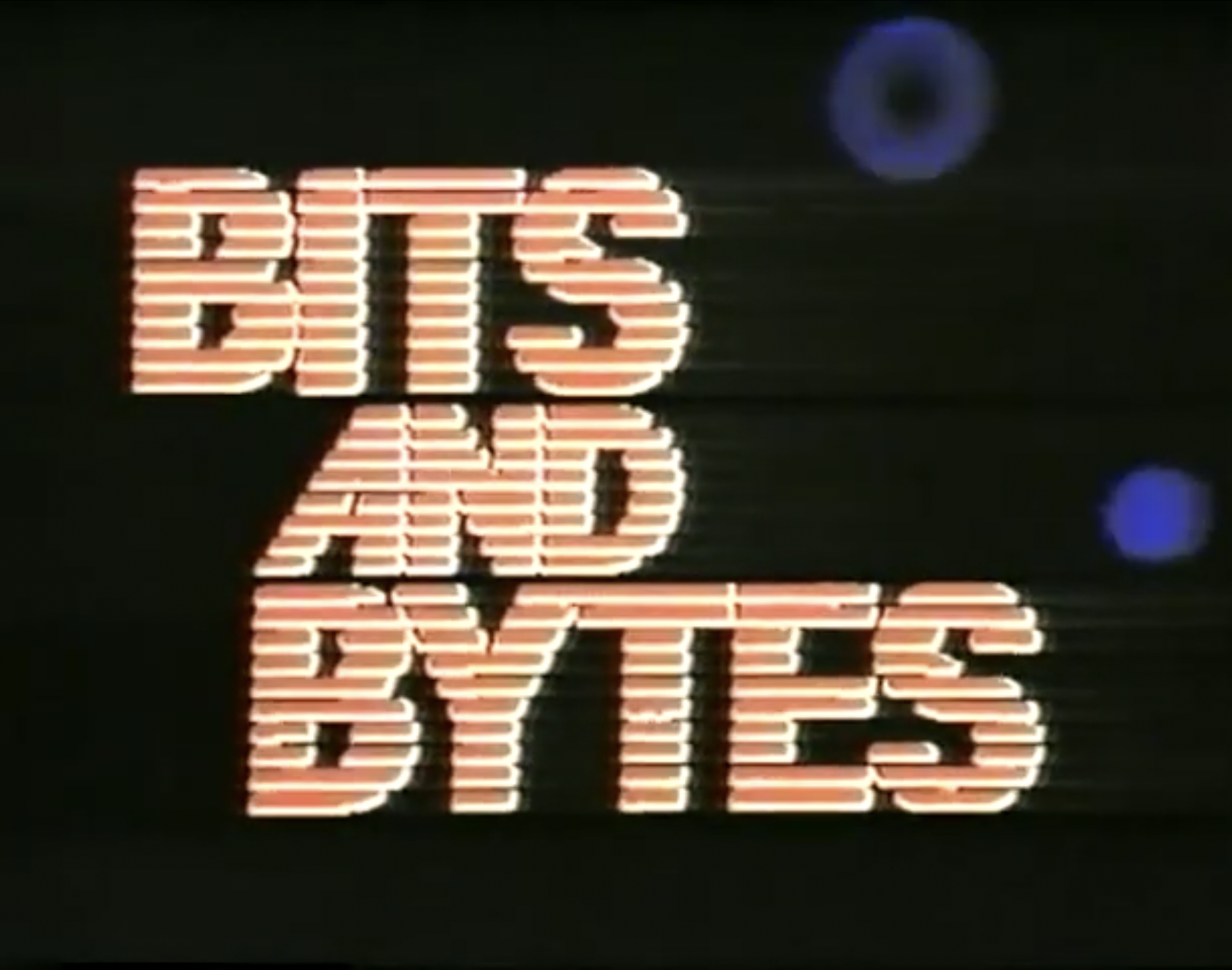
Computers featured in those cartoons, though it confused me why their keyboards had keys in a perfectly rectilinear arrangement, without any odd offsets between the rows like real keyboards. I did envy what seemed to be some highly integrated, super-powerful operating systems with video and audio built in. Much more realistically, I loved TVOntario's series Bits and Bytes, with the ever-patient Luba Goy guiding a fairly dim Billy Van through some very basic computer use. Pre-teen me felt he was already way beyond that level.
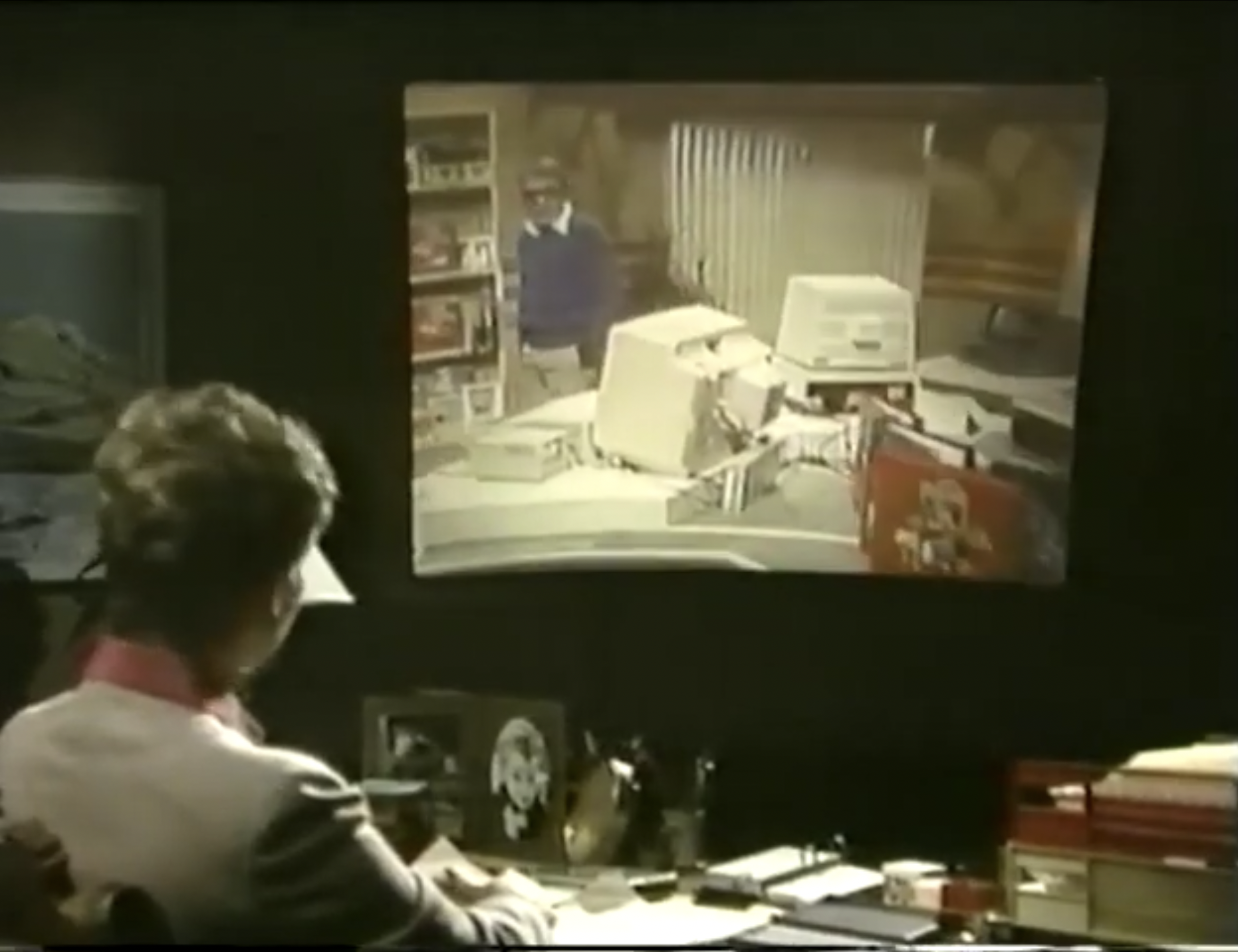
Then there was the weekend TV consumption: MotorWeek with your host John Davis, and the pinnacle of appointment television for the week: Computer Chronicles with Stewart Cheifet. It's hard to describe how much I loved Computer Chronicles. Younger readers have to remember, again, that the Internet didn't exist yet. You had to seek out information about what interested you, information which wasn't nearly as abundant as it is today.
Computer Chronicles
Every week, Computer Chronicles was my lifeline to the broader world of computer use and computer users. Stewart and his frequent co-host Gary Kildall (he the inventor of CP/M, but perhaps most famous for turning down IBM when they came calling for an operating system for their new PC, a breach into which Bill Gates stepped with MS-DOS to eventually become the richest man in the world) would have two to three segments per show interviewing vendors touting their new wares: new PCs, new monitors, peripherals, software, eventually laptops, and anything else vaguely computer-related.
You could tell a lot about the companies by the way their reps dressed: the serious companies would send their regional sales managers on the show in black, brown, or blue three-piece suits. The game developers would appear in the relative informality of a dress shirt, tie and a blazer. The banter was always a little awkward, the reps always terrified of their demo not working quite as it should. The awkwardness gave the segments a soothing realness for me. These were real people in the industry, not hyper-polished sales weasels.
Towards the end of the show came the on-location segment with Maria Gabriel, invariably in some non-descript office park in Silicon Valley. The names of the towns became seared in my mind, almost like totems of a future I didn't quite perceive yet but to which I desperately aspired: Sunnyvale, San Jose, Cupertino.
Once a year Computer Chronicles would host the Computer Bowl, where luminaries from the industry would compete (East vs West) in a televised quiz show about computer stuff. Who knows how accurately I assessed my knowledge against them, but I sure remember feeling like I would crush almost all of the participants if given a chance. Of course, the encyclopedic knowledge of the industry that I was obsessively accumulating didn't just come from Computer Chronicles.
Computer magazines
Fortunately for me, my dad liked to nerd out as much as the next guy, so he had a subscription to BYTE Magazine. Again, for those too young to remember, a "magazine" was a periodical publication (often monthly) which arrived at your house via mail (no "e" in front of that word). The magazine would contain articles, product reviews, columns from staff writers, and ads. No one sensible paid the price per issue shown on the cover, since you could always get a very heavily discounted (almost free) subscription price if you tried even a little bit.
This fact always confused me as a child. It said $4.99 on the cover but we were getting 12 of these per year for $5! Eventually it was explained to me that the magazine makes its money from the advertisers, and boy were there a lot of ads in 1980s computer magazines. Such glorious sumptuous ads, almost pornographic in the way they displayed their off-white and beige metal boxes of electronic wonder. At least that's the way it seemed to a prepubescent child whose objects of lust were IBM PC compatibles from Gateway, the ones with the cows in the ads.
My favorite columnist in BYTE was Jerry Pournelle, a science fiction writer whose house (which he called Chaos Manor) seemed to contain a vast collection of old and new computers. He cultivated a sort of knowing, exasperated irreverence about his life as a columnist, as if he couldn't quite believe he was getting paid to do the job. At least that's the way it seemed to me, and at the time I couldn't imagine there could be a better job than "get computers on loan for free and then write what you think about them".
The two worlds
You could say I lived in two worlds. World 1, my everyday existence in London Ontario, involved being bored at school, watching ungodly amounts of TV, annoying my sisters, and spending time on the computer. But I also lived in World 2, at least in my mind. I guess you could call it a virtual world before they really existed, of people, companies, places and products. World 2 centered in Silicon Valley, the place where everything important seemed to happen, and where I wanted to live someday.
What's most notable, looking back, is how separate these two worlds were. The world of computers was exciting, and growing fast, but I really felt like the only person in the real world who noticed or cared (with the notable exception of my best friend Paul, who shared my obsession with computers). I realize how hard it is to imagine, but normal people just didn't care about computers. Maybe some of them used them at work, or as a game-playing platform, but that was about it.
It's not that people in the early 90s were unaware of the computer revolution. They just didn't care. Computers, to the extent the average person thought about them, were a useful but kinda clunky and expensive tool. Fun for some game-playing, useful for some kinds of white collar work, but that's about it. Certainly nothing that's going to take over the world and "change everything".
If this sounds at all familiar, yes the same thing is happening right now with AI. Maybe you live inside the Silicon Valley filter bubble so this sounds crazy. But step outside it and the story is very different. Yes, people are aware the AI revolution is happening. They read the stories, they see the GenAI videos, and the sometimes hear the GenAI music. But like with the computer revolution in the 80s and 90s, most people just don't care.
So if you're someone who cares about the latest tech revolution today, maybe you're asking yourself when people will start to care, just like I did over 30 years ago. I can't say I know the answer for this one, but the last revolution make people care only when the Internet finally happened.
But that's a story for the next installment...